Skip to content
Introduction – More Than You Expect
When I first arrived in Perth, I wasn’t expecting much in terms of wildlife photography.
It’s not a place that gets talked about in the same way as Costa Rica or Borneo. But once you start exploring, you realise how much is actually here. Within a relatively short distance you can move between wetlands, coastal areas, and dry woodland, all with completely different species.
What makes it even better is how accessible everything is. You don’t need to plan a full expedition or travel for days. Some of the best locations are within an hour of the city, and even the more remote spots are still manageable.
This guide focuses on places that are genuinely worth your time as a photographer. Not just where to see wildlife, but where you’ve actually got a good chance of getting decent shots.
If you’re short on time or don’t want to figure everything out yourself, there are a few guided wildlife tours around Perth that take you straight to the best spots:
Perth Wildlife Tour Under the Stars with Dinner
Why Perth Works So Well for Wildlife Photography
One of the biggest advantages of Perth is how much variety you get without needing to travel far.
You’ve got wetlands full of birdlife, bushland that supports some of Australia’s most unique mammals, and coastal areas where you can photograph marine species. Each habitat feels completely different, which keeps things interesting.
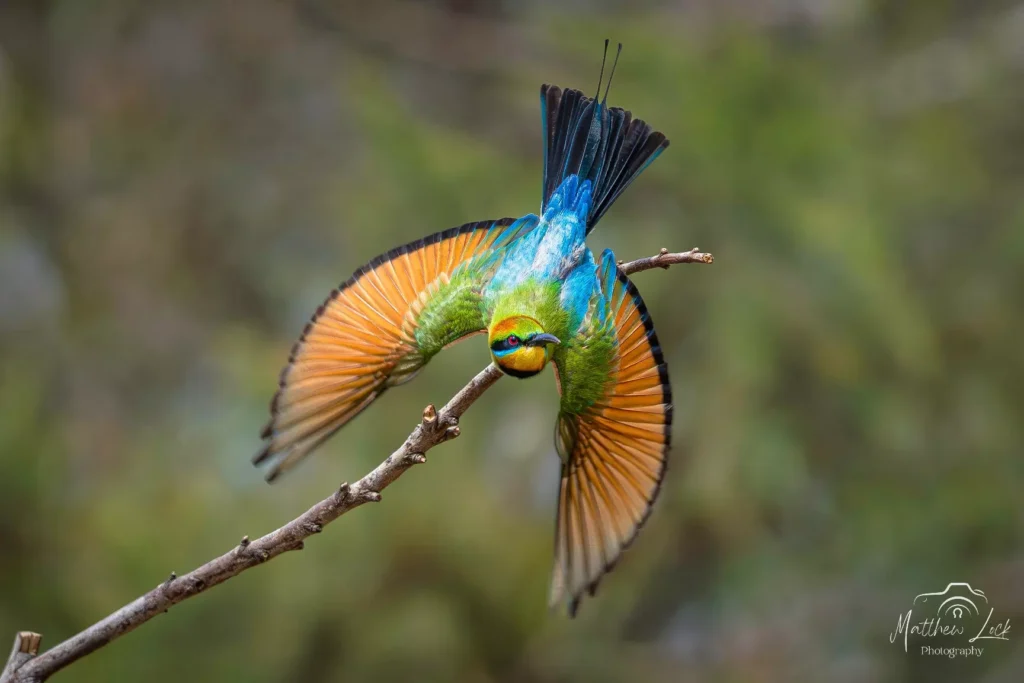
There’s also a strong mix of species. You’ve got more common subjects like kangaroos and cockatoos, but also more unique wildlife like numbats, quendas, and seasonal birds like rainbow bee-eaters.
The light plays a big role too. Perth gets a lot of clear days, which can be harsh in the middle of the day, but early mornings and late afternoons can be excellent. Clean light and consistent conditions make it easier to build strong images.
It’s also a place that rewards repeat visits. You won’t always get the shot on your first attempt, but if you’re willing to come back, your chances improve quickly.
Best Wildlife Photography Locations Around Perth
Dryandra Woodland – Native Mammals That Are Hard to Find Anywhere Else
Dryandra is one of the best places in Western Australia to photograph native mammals, especially species that are difficult to see anywhere else.
It’s about a two-hour drive from Perth, so it’s worth planning at least an overnight stay.
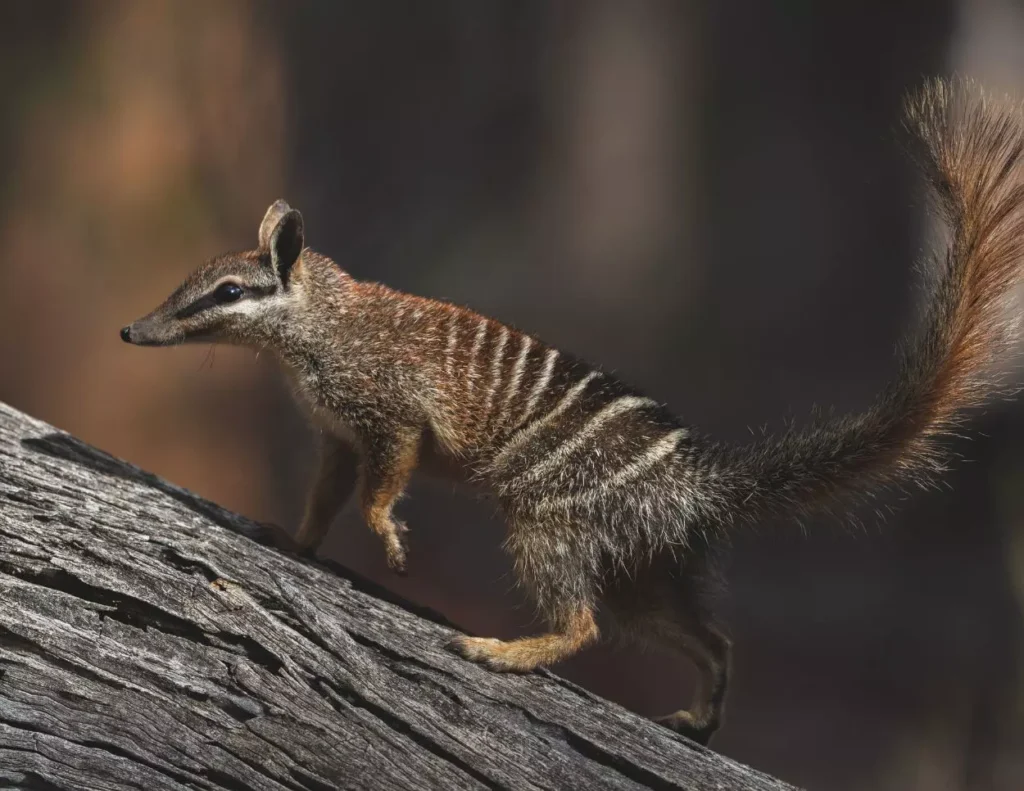
The main draw here is the numbat. It’s one of those animals that feels almost unreal when you finally see it in the wild. Alongside that, you’ve got woylies (brush-tailed bettongs), chuditch (western quolls), and malleefowl if you’re lucky. You may also come across echidnas, brushtail possums, and western grey kangaroos.
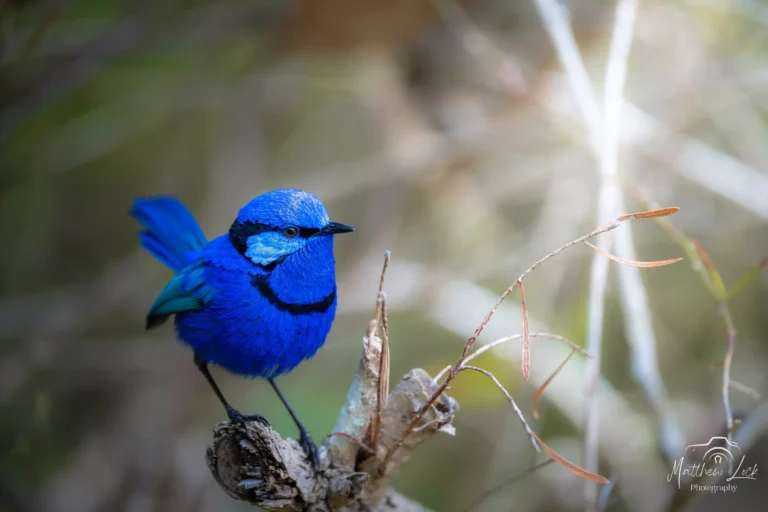
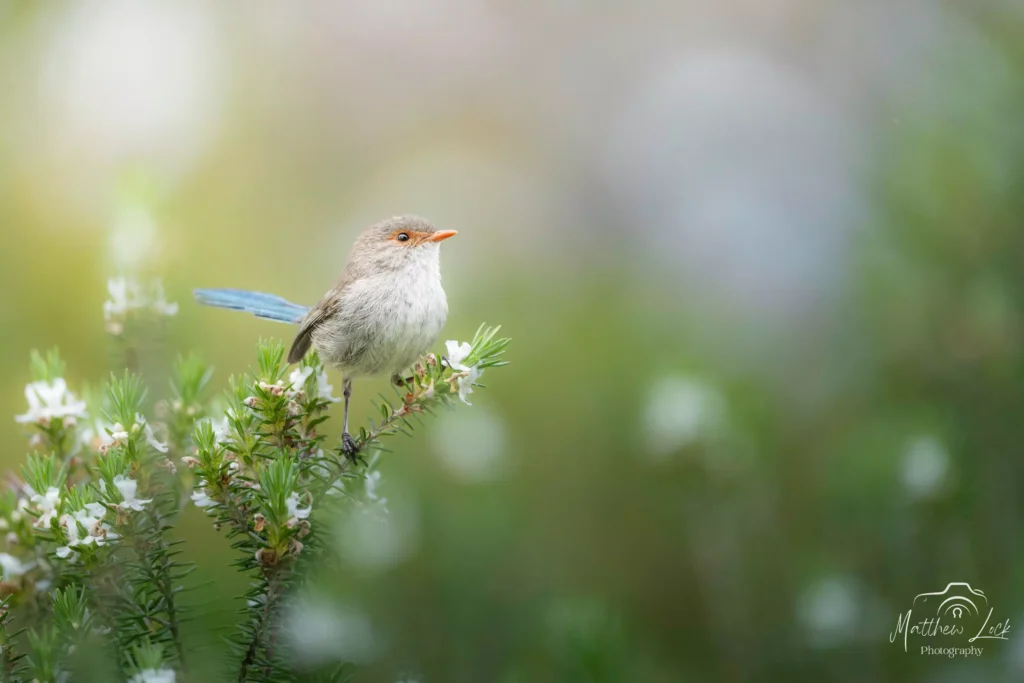
Birdlife is strong as well, with species like red-capped robins, western rosellas, splendid fairy-wrens, white-browed babblers, and wedge-tailed eagles moving through the woodland.
Early morning and late afternoon are the best times to be out. During the middle of the day things slow down, especially in warmer months.
From a photography perspective, patience is key. A longer lens helps, and you’ll need to be comfortable waiting for the right moment.
Lake Gwelup – Reliable and Close to the City
Lake Gwelup is one of the easiest places to get started with wildlife photography around Perth.
It’s close to the city and consistently productive. Waterbirds are present year-round, including black swans, Pacific black ducks, grey teal, Australian shelducks, white-faced herons, great egrets, little egrets, and Australian white ibis.
The highlight is the rainbow bee-eaters that appear seasonally. They’re fast and unpredictable, but once you start to understand their movement and where they perch, you can get good opportunities.
You’ll also see species like welcome swallows, willy wagtails, Australian magpies, and occasionally black-shouldered kites hunting over open areas.
Early morning is the best time to shoot here, both for light and activity.
Yanchep National Park – Consistent and Easy to Work With
Yanchep is one of the more straightforward locations if you want reliable opportunities.
About an hour north of Perth, it gives you access to western grey kangaroos, koalas, and a wide range of birdlife. Common species include red-tailed black cockatoos, galahs, Australian ringnecks, and rainbow lorikeets.
You’ll also find smaller birds like splendid fairy-wrens, honeyeaters, and thornbills in quieter areas.
The animals here are used to people, which makes it easier to get closer and focus on composition and technique.
Rottnest Island – Quokkas and Coastal Conditions
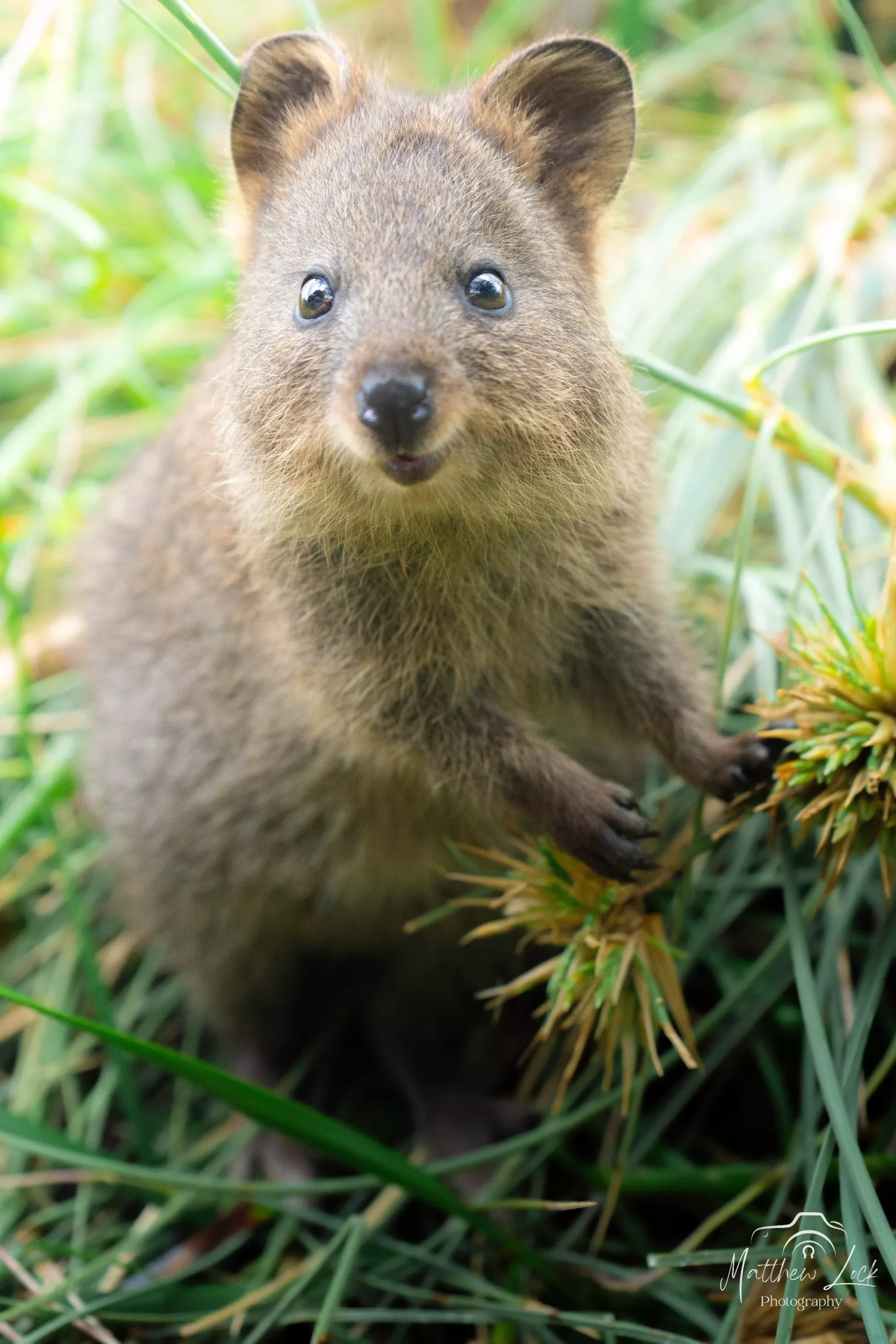
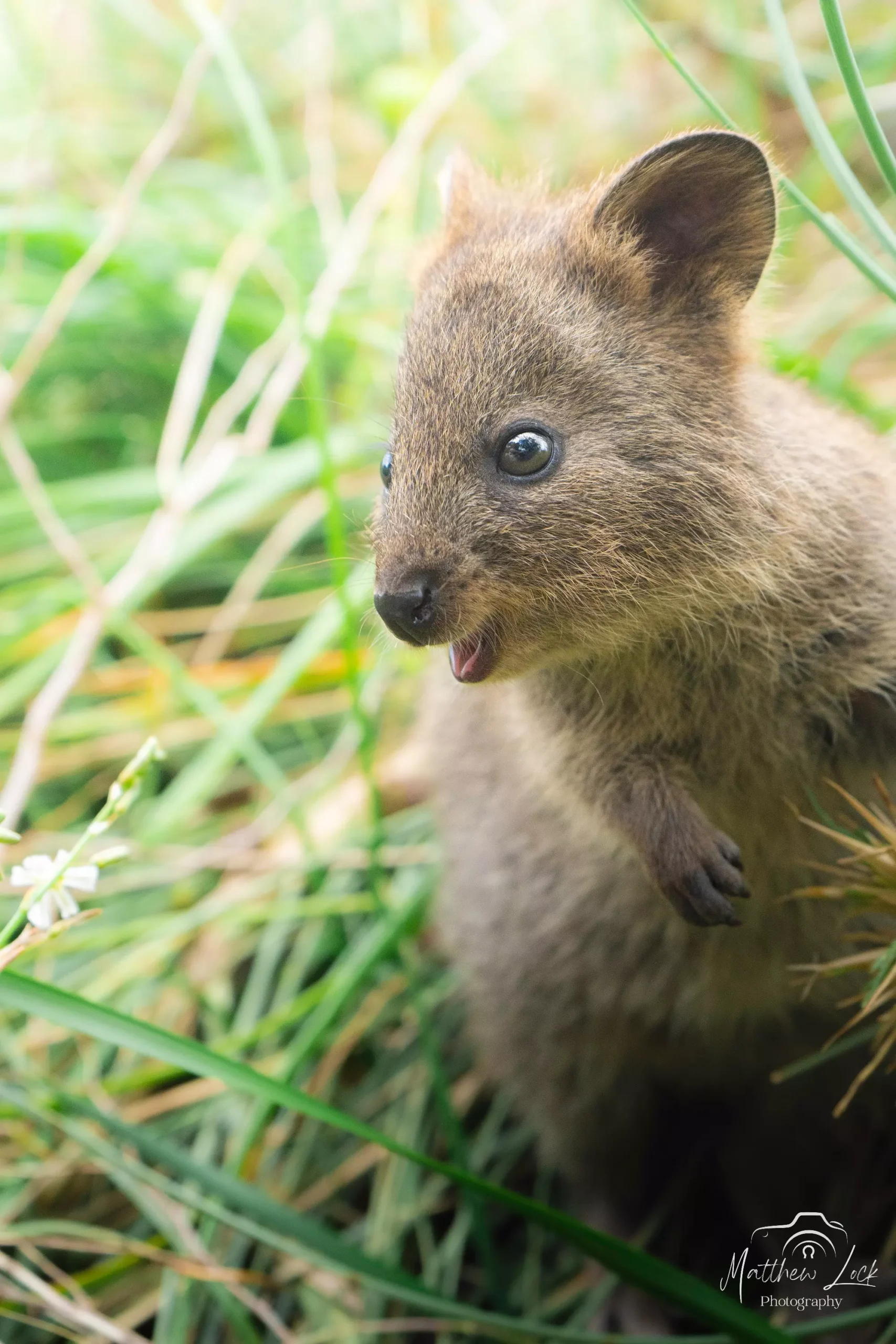
Rottnest is best known for quokkas, and they’re easy to find across the island.
Photographing them well is a bit different though. The biggest challenge is avoiding crowds and keeping your images clean. Early mornings are the best time to shoot.
There’s also plenty of birdlife around the island. You’ll commonly see silver gulls, pied cormorants, little pied cormorants, and ospreys along the coast. During certain times of year, migratory shorebirds can also be found around the beaches and salt lakes.
Penguin Island & Shoalwater – Marine Wildlife Opportunities
Penguin Island and the surrounding Shoalwater area offer something different from the usual bush and wetland environments.
Here you can photograph little penguins, bottlenose dolphins, and Australian sea lions depending on the conditions and time of year.
Birdlife is also strong, with Australian pelicans, crested terns, Caspian terns, and cormorants regularly seen around the area.
Conditions can be more challenging, especially with harsher light and fast-moving subjects, so you’ll need to be adaptable.
John Forrest National Park – A Quick and Underrated Option
If you’re short on time, John Forrest is one of the better options close to Perth.
It’s easy to access and offers consistent opportunities to photograph western grey kangaroos and a variety of bird species. You’ll commonly see red-tailed black cockatoos, corellas, galahs, and Australian magpies.
Smaller birds like wrens, robins, and honeyeaters are also present, especially away from busier areas.
Other Spots Worth Exploring
There are also plenty of smaller parks and sanctuaries around Perth that are worth checking out.
Places like Herdsman Lake Regional Park, Eric Singleton Bird Sanctuary, and Star Swamp Reserve can all be surprisingly productive, especially for bird photography.
Across these areas, you’ll find species like black swans, Australasian grebes, dusky moorhens, Eurasian coots, purple swamphens, white-faced herons, and great egrets. Birds of prey like swamp harriers and black kites also appear from time to time.
In surrounding bushland, you’ll often see New Holland honeyeaters, western spinebills, fairy-wrens, and silvereyes.
They’re easy to access and work well if you don’t have a full day available.
You may also be interested in: San Gerardo de Dota: The Hidden Gem You Should Add to Your Costa Rica Itinerary
Best Time of Year for Wildlife Photography in Perth
Perth changes quite a bit depending on the season, and that has a direct impact on what you can photograph.
Spring is one of the best times overall, with increased bird activity and breeding behaviour.
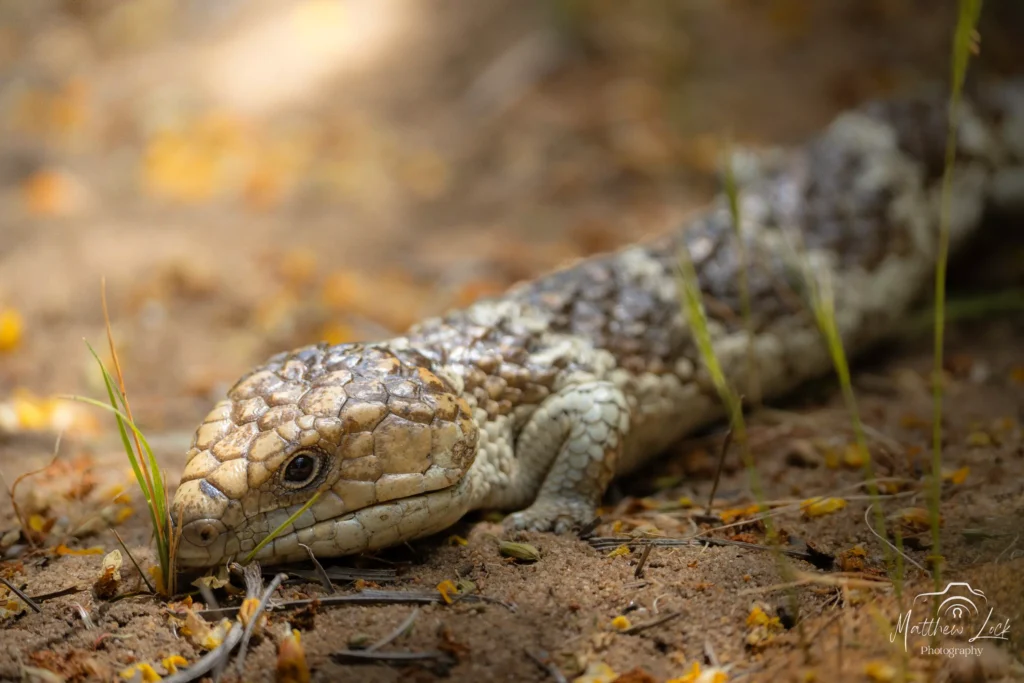
Summer can be more difficult due to the heat. Early mornings are essential, but reptiles and some bird species are more active.
Autumn offers more comfortable conditions and softer light.
Winter brings different opportunities, especially for waterbirds, along with moodier conditions that can work well for photography.
Wildlife Photography Tips for Perth
One of the biggest challenges in Perth is managing light.
The sun gets harsh quickly, so early mornings and late afternoons are always the best options. Midday can still work, but you’ll need to be more selective.
Wind is another factor, especially for bird photography. It affects flight patterns and behaviour, so it’s worth paying attention to.
A longer lens is useful in most situations. Something in the 300–600mm range gives you flexibility across different species.
It’s also important to keep things ethical. Keep your distance, avoid interfering with wildlife, and focus on natural behaviour.
My Experience Photographing Wildlife in Perth
One of the things I’ve enjoyed most about photographing wildlife in Perth is how much there is to discover.
Before arriving, I’d never even heard of species like the rainbow bee-eater. Finding them, learning how they move, and eventually getting the shot took time.
In some cases, it took multiple days and a lot of missed attempts before things finally came together.
That’s part of it. The process is what makes the final image feel worth it.
Final Thoughts
Perth might not be the first place people think of for wildlife photography, but it offers a lot more than most expect.
You don’t need to travel far, and you don’t need complicated plans. With a bit of time and patience, there’s a wide range of subjects you can photograph here.
The more you explore, the more you start to find.
You may also be interested in: How to Take Better Travel Photos with These 8 Simple Tips
Your support through ads keeps our content free — we appreciate it!
Some pictures sourced from Canva
You might also be interested in:
You might also be interested in:


Hey there, ¡Bienvenido!
Thank you so much for being here.

I’m Matthew Lock
An internationally exhibited and published photographer.
Follow me in Social Media!
Your feedback means a lot!
Leave a Review


If you’d like to show a little extra support, you can also

Get In Touch
When you purchase through certain links on my site, I may receive a small commission —at no extra cost to you— which helps keep my work going strong.
Explore More Categories
Where I have been:
Currently in: Australia