Skip to content
Intro
Panama isn’t the first country that comes to mind when you think about backpacking Central America. Most people jump straight to Costa Rica or Guatemala, but those who do make it here usually end up wondering why it isn’t more popular. The country has everything: tropical islands, wild jungles, mountains, beaches, and some of the friendliest people I’ve met on the road.
It’s small enough that you can see a lot in a short time, but big enough to keep you exploring for weeks. From surfing on the Pacific to hiking volcanoes in the highlands and staying with Indigenous communities in the Darién, Panama really has it all.

When to Visit Panama
Panama has two main seasons: dry (December to April) and wet (May to November). The dry season is the most popular time to visit, especially for hiking and beach trips. It’s hot and sunny most days, with cooler air up in the mountains around Boquete and El Valle de Antón.
That said, don’t write off the wet season. It usually just means a few hours of rain in the afternoon, and everything looks greener. Prices drop, there are fewer tourists, and the forests feel alive. If you’re used to backpacking, a bit of rain won’t bother you.

Getting Around Panama
Public transport in Panama is cheap, reliable, and usually packed with character. You’ll find colourful buses called diablos rojos, small vans known as colectivos, and long-distance coaches that link major towns. Buses can get you almost everywhere, but they often take longer than expected and don’t always run on time.
After a few weeks of relying on buses, I decided to rent a car for $12 a day, and it completely changed the trip. Having my own wheels meant I could stop for photos, explore remote areas like Ola and San Lorenzo, and not worry about missing the last bus.
Fuel is affordable, and roads are generally good, although you’ll still find the occasional pothole or gravel stretch. Police checkpoints are common, but they’re friendly. Just smile, show your licence, and you’ll be waved through. An international driving permit is useful, but most rental agencies will accept your regular licence.
If you do drive, plan your routes before leaving Wi-Fi, since cell coverage drops quickly once you’re outside the main towns.

You may also be interested in: A Day in San Lorenzo National Park and Castillo de San Lorenzo: Panama’s Forgotten Jungle Fort
Budget Breakdown for Backpackers
Panama isn’t as cheap as Nicaragua or Guatemala and I did think it would be a little cheaper, but it’s still very budget-friendly if you travel smart.
Low budget ($30–50 per day)
Dorm beds or basic private rooms
Street food, local cafés, or cooking for yourself
Public buses and colectivos
Mid-range ($60–90 per day)
Nicer private rooms or Airbnbs
Occasional car rental
National park entries, boat trips, and coffee tours
I often mixed it up: cooking meals at hostels, camping in Ola, and splurging on a few unique experiences like the boat trip to Coiba. Panama uses US dollars, so prices are straightforward, but small towns still run mostly on cash.
On a side note, you may be given a mix of balboa and dollars when you get change from buying something. Don’t worry, it’s not a scam. Both are excepted and 1 balboa is equal to 1 usd.
Where to Go in Panama
Panama is compact, so you can see a lot without spending all day on buses. Here are the places that really stand out.
Panama City
Most trips start or end here. Spend a day wandering through Casco Viejo, the old quarter full of pastel buildings and rooftop bars, and then visit the Panama Canal to see the ships passing through.
The Cinta Costera is perfect for an evening walk or cycle, and Metropolitan Natural Park is a nice reminder that you don’t have to leave the city to see sloths and monkeys.
Traffic is terrible, but the city is safe and lively, especially around Casco Viejo and Obarrio.
Colón & San Lorenzo
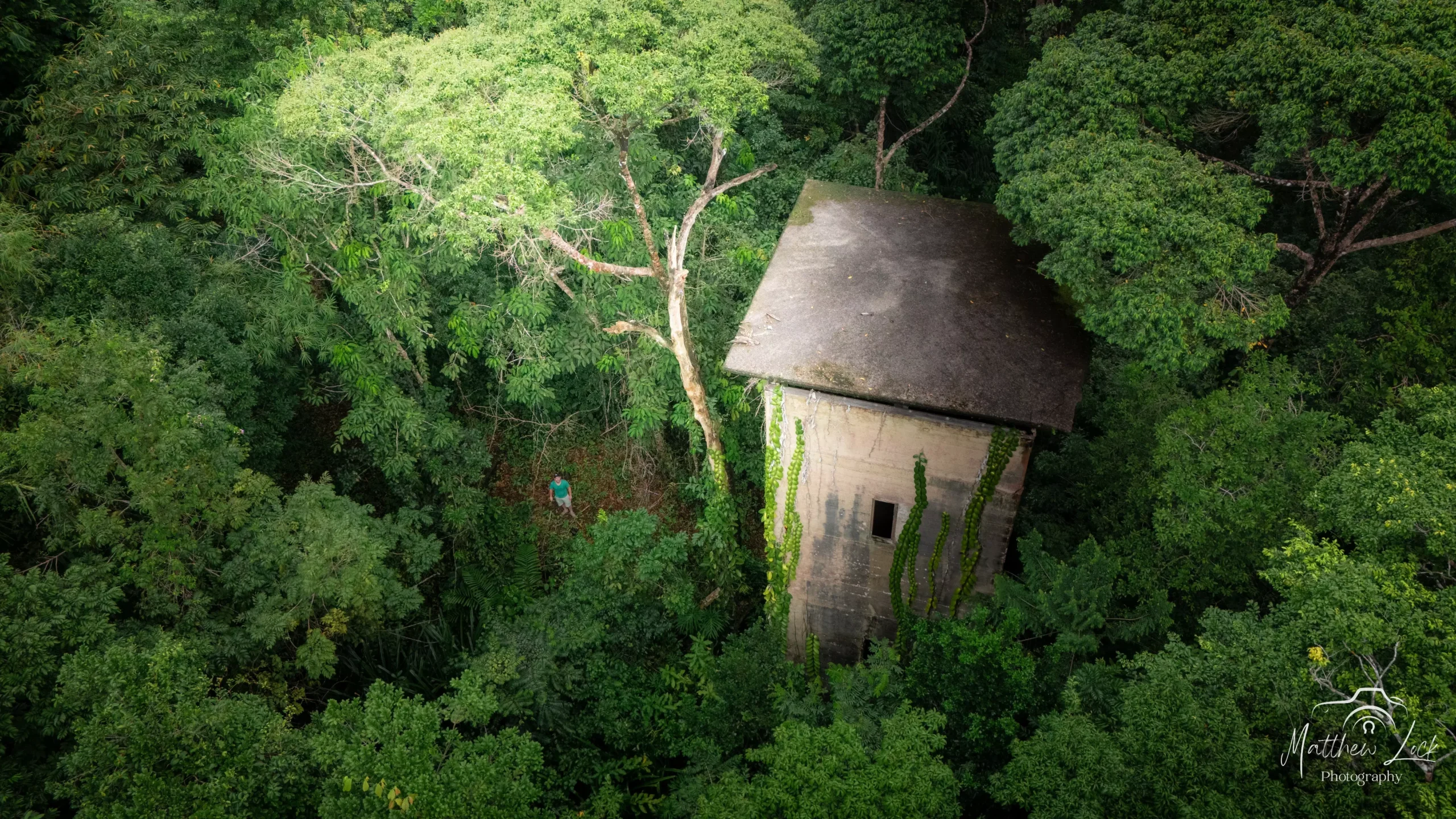
Colón itself isn’t the prettiest city, but nearby San Lorenzo National Park is incredible. The drive through the jungle is full of wildlife, and Castillo de San Lorenzo is one of the most atmospheric colonial forts in Central America.
I saw coatis, howler monkeys, toucans, and even agoutis on the way. Hardly anyone visits, and that’s part of what makes it special. You can read my full post on it here.
Portobelo
A colourful, laid-back coastal town with Caribbean flair, Portobelo has fort ruins, street art, and a strong Afro-Caribbean culture. It’s a great place to unwind, try local seafood, or catch a boat towards the San Blas Islands.
El Valle de Antón
Set inside an extinct volcano, El Valle is surrounded by green mountains, waterfalls, and hiking trails like India Dormida. The town itself has a small market, cafés, and a relaxed vibe.
It’s one of Panama’s easier nature escapes from the city, but weekends can get busy.
Ola
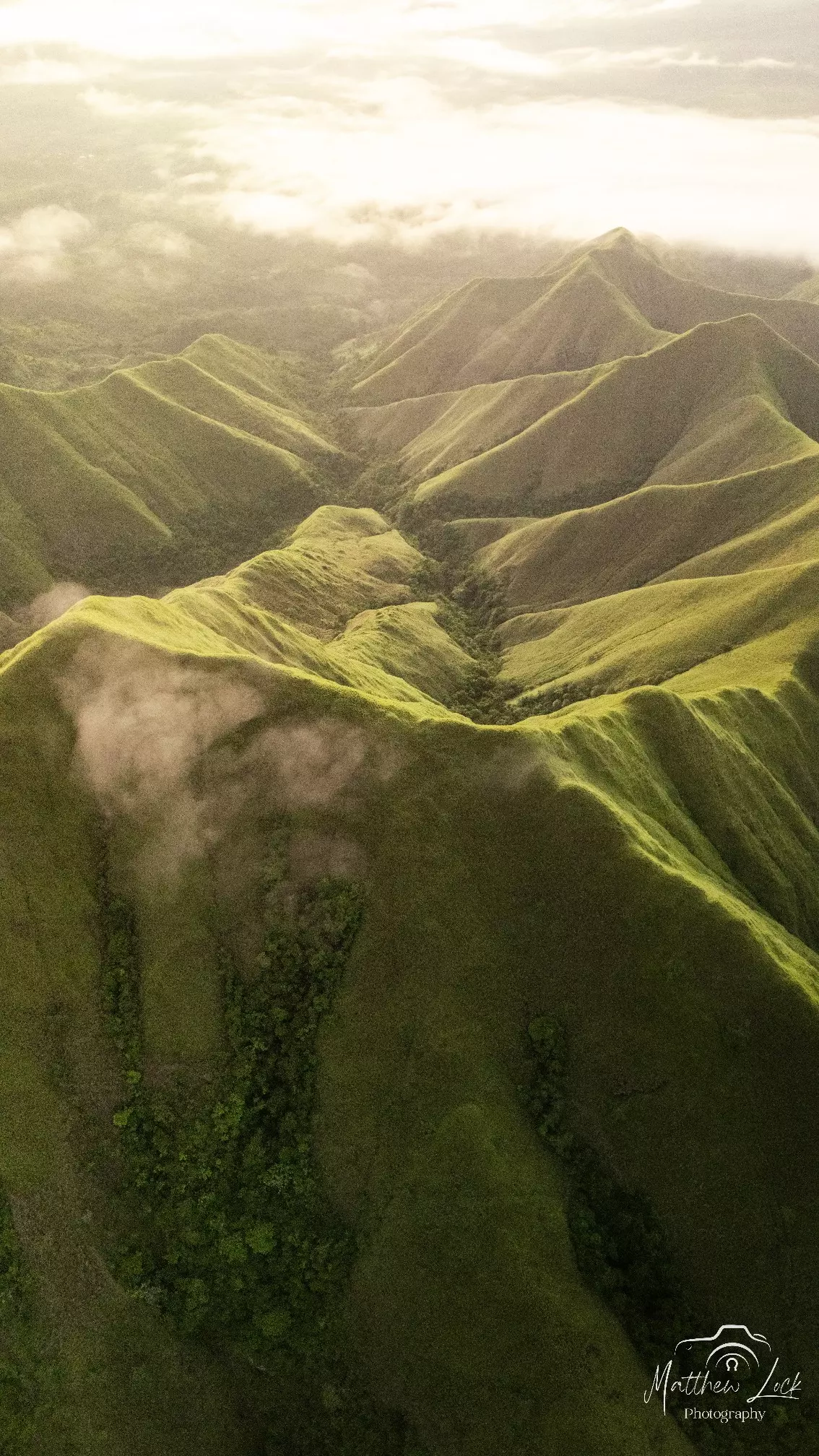
Ola is like El Valle’s quiet cousin. Hardly any tourists come here, but it has incredible hikes and peaceful scenery. I camped at Mirador y Camping Victoria, literally in someone’s garden, and woke up to mountain views and chickens.
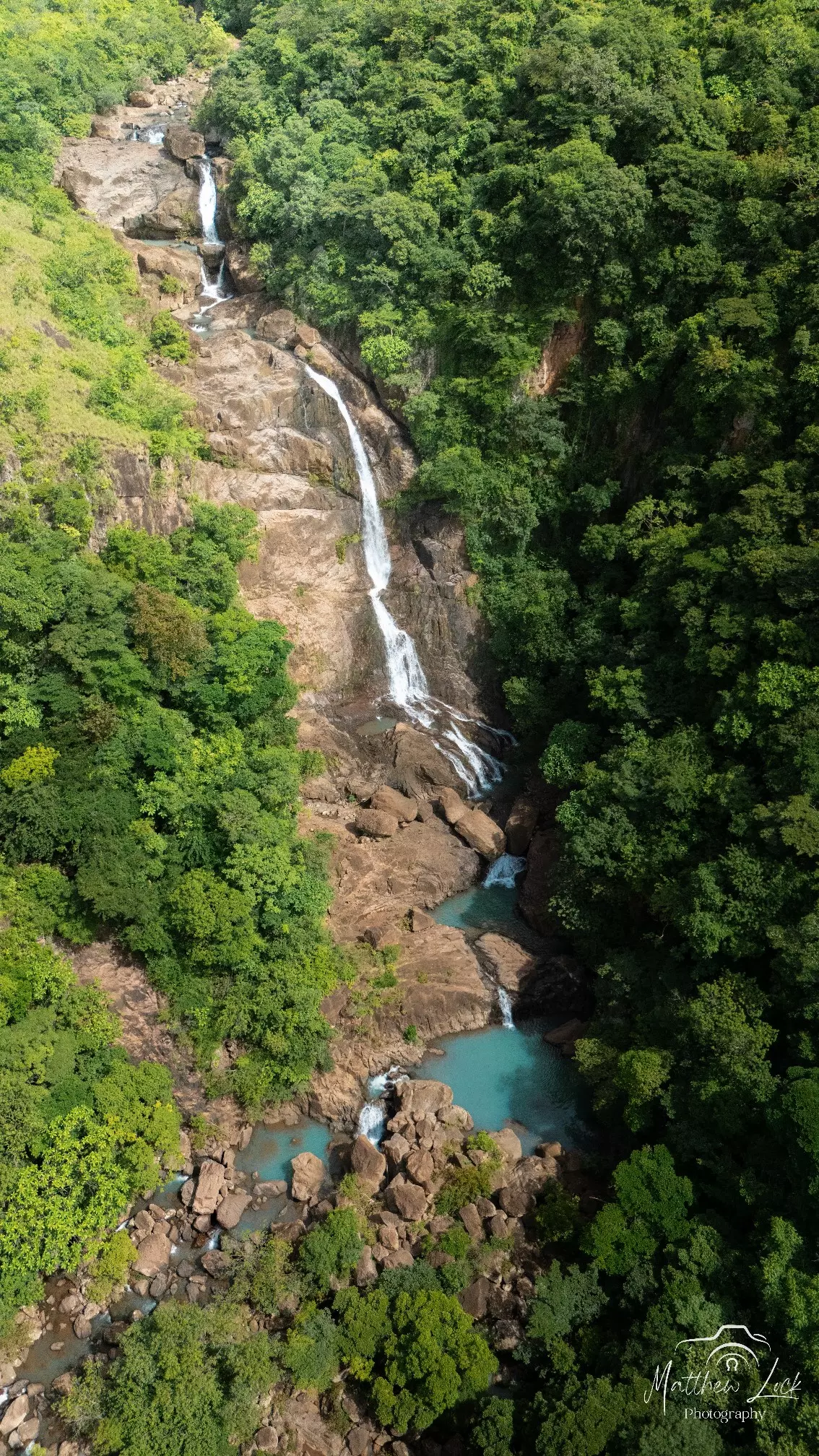
Don’t miss the Cerro Los Picachos sunrise hike, Chorros de Olá, or Cerro Tazajera, where I managed to get my 2WD car stuck halfway up a gravel hill before some local kids came to push me out. It’s that kind of place, simple, genuine, and full of surprises.
Santa Catalina
This little surf town on the Pacific coast is known for its waves and access to Coiba National Park, one of the best diving and snorkelling spots in the country.
It’s small and laid-back, with sandy streets and a handful of hostels and restaurants. The sunsets here are fantastic, and even if you don’t surf, the beaches are perfect for swimming.
Boquete
Up in the highlands, Boquete is all about cool air, coffee farms, and cloud forests. Hike the Volcán Barú for sunrise if you’re feeling energetic, on a clear day you can see both the Pacific and Caribbean from the top.
There are also shorter trails in the Pipeline and Lost Waterfalls areas, where you can spot quetzals if you’re lucky.
Bocas del Toro
A cluster of Caribbean islands near the Costa Rica border. Bocas Town on Isla Colón is the main hub, full of hostels, surfboards, and boats going to nearby beaches.
Head to Red Frog Beach, Bluff Beach, or take a snorkelling trip to Isla Zapatilla. Nights are lively, days are lazy, and it’s easy to stay longer than planned.
Darién & the Emberá People
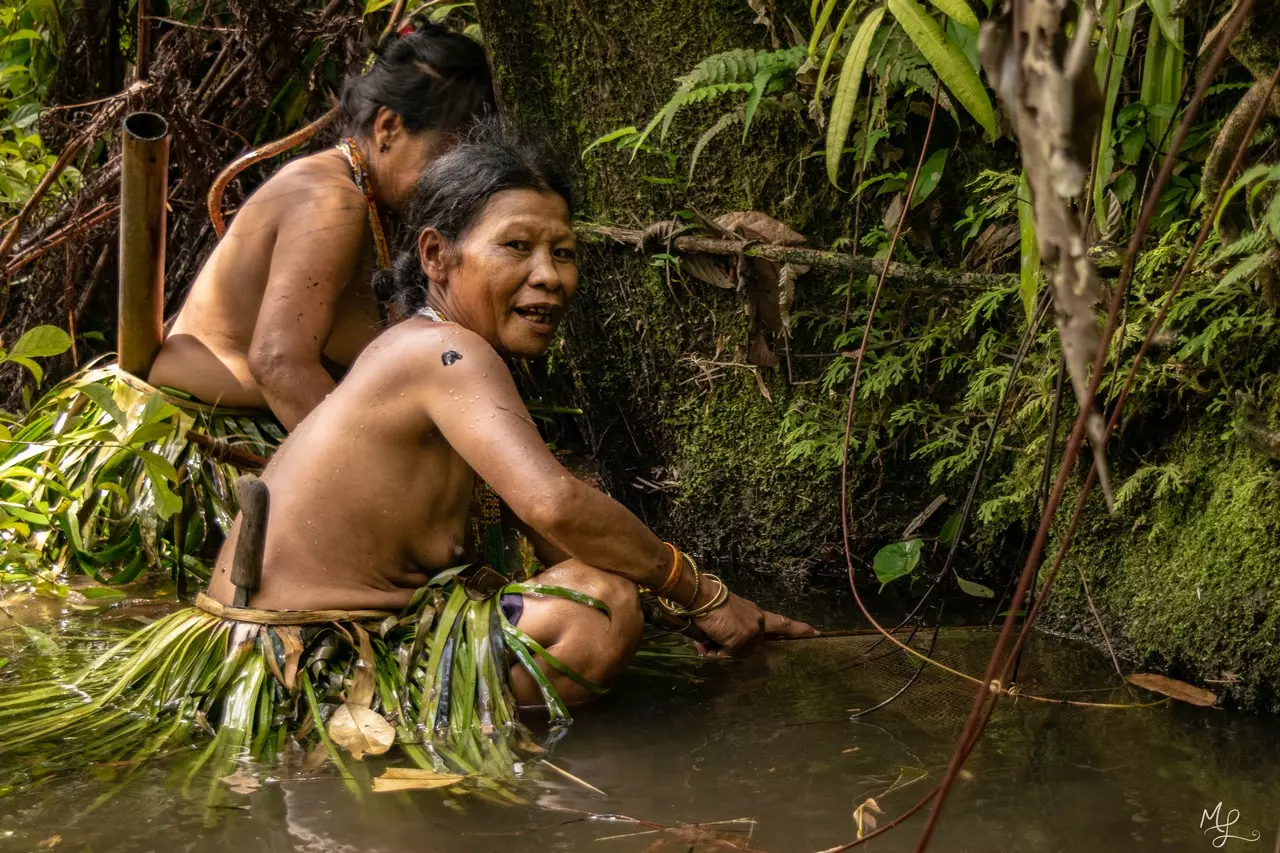
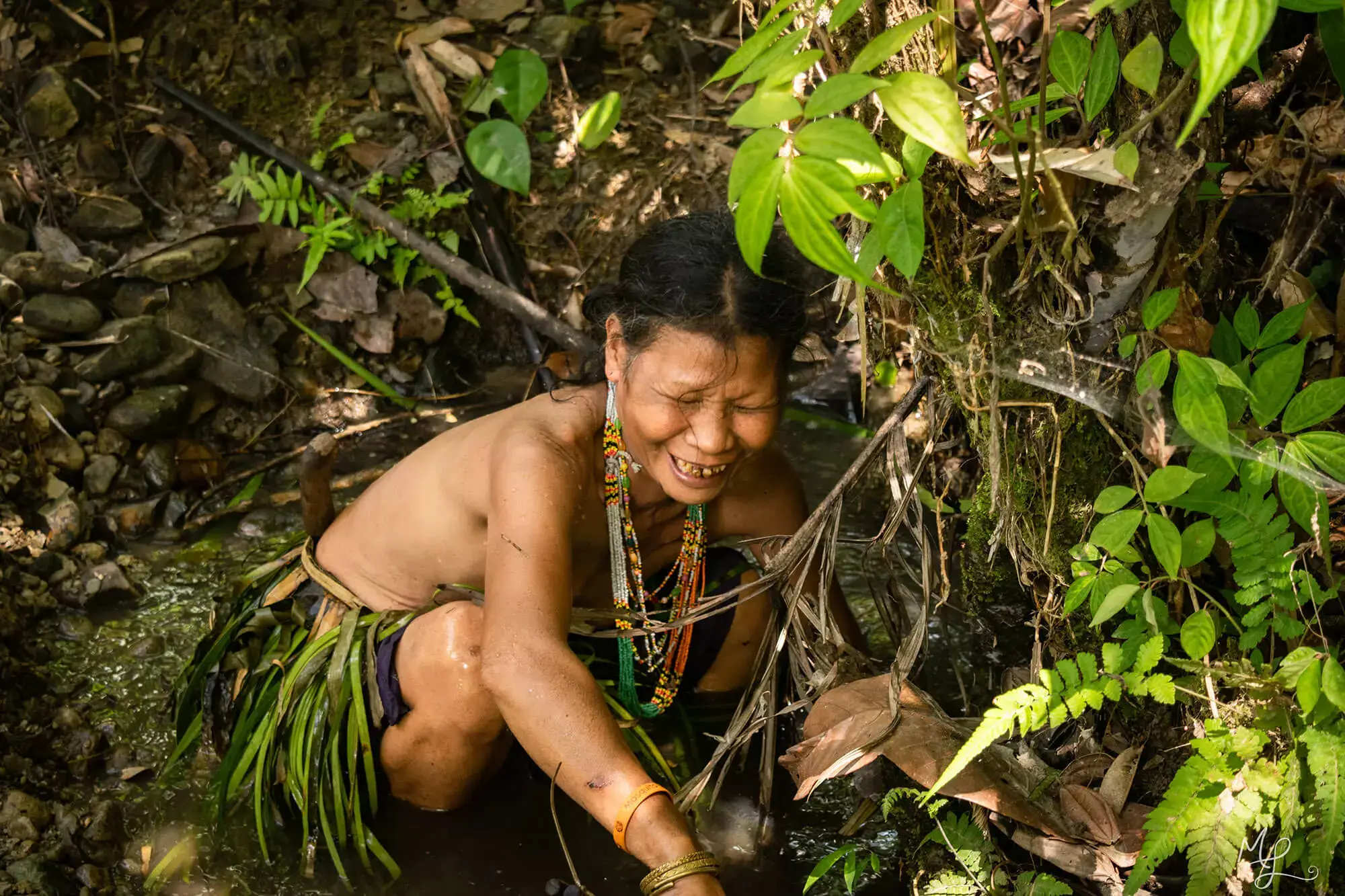
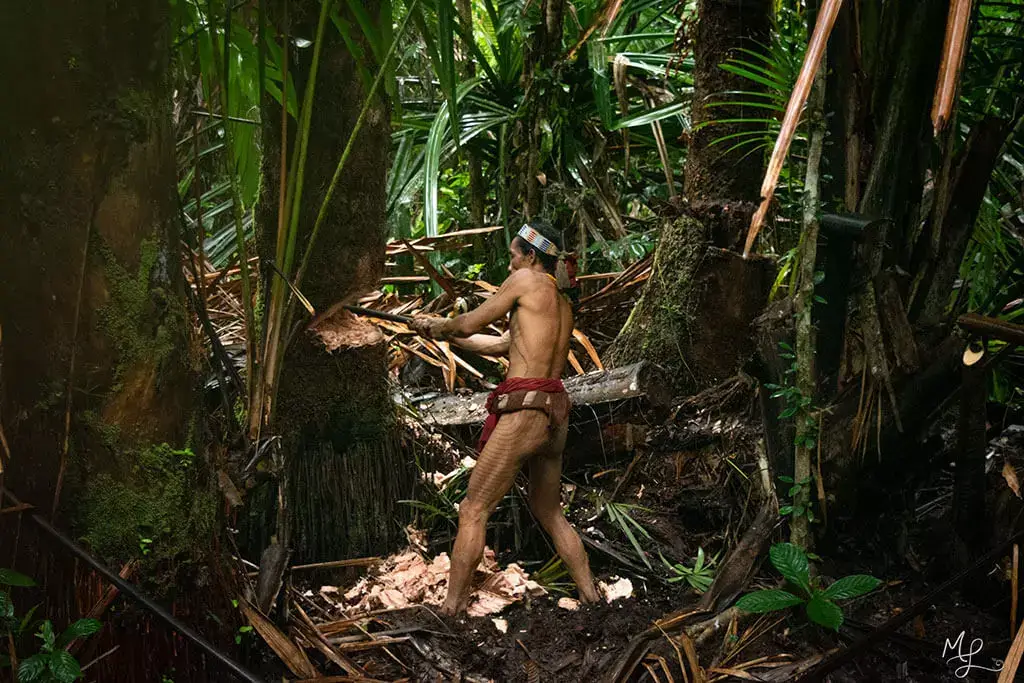
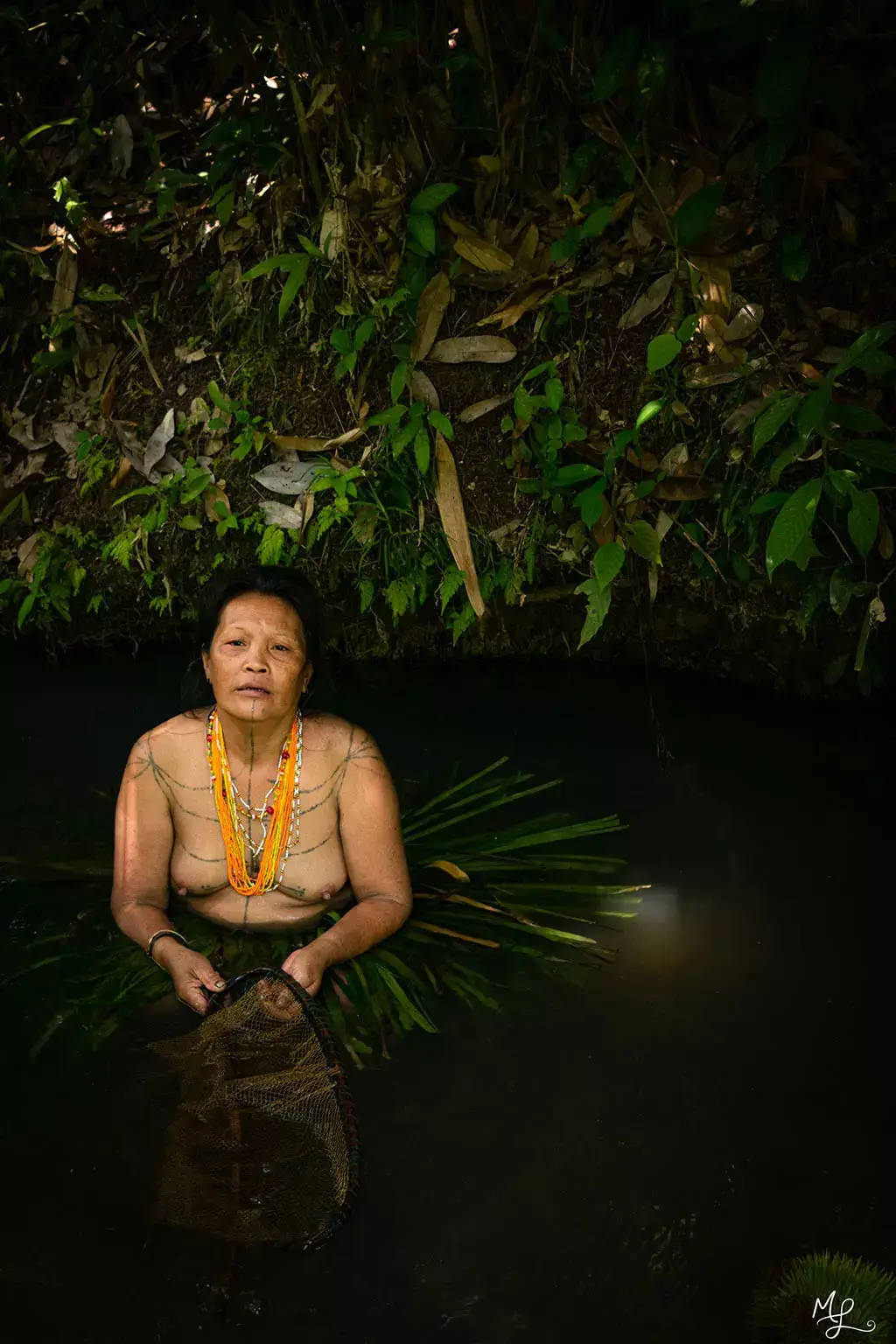
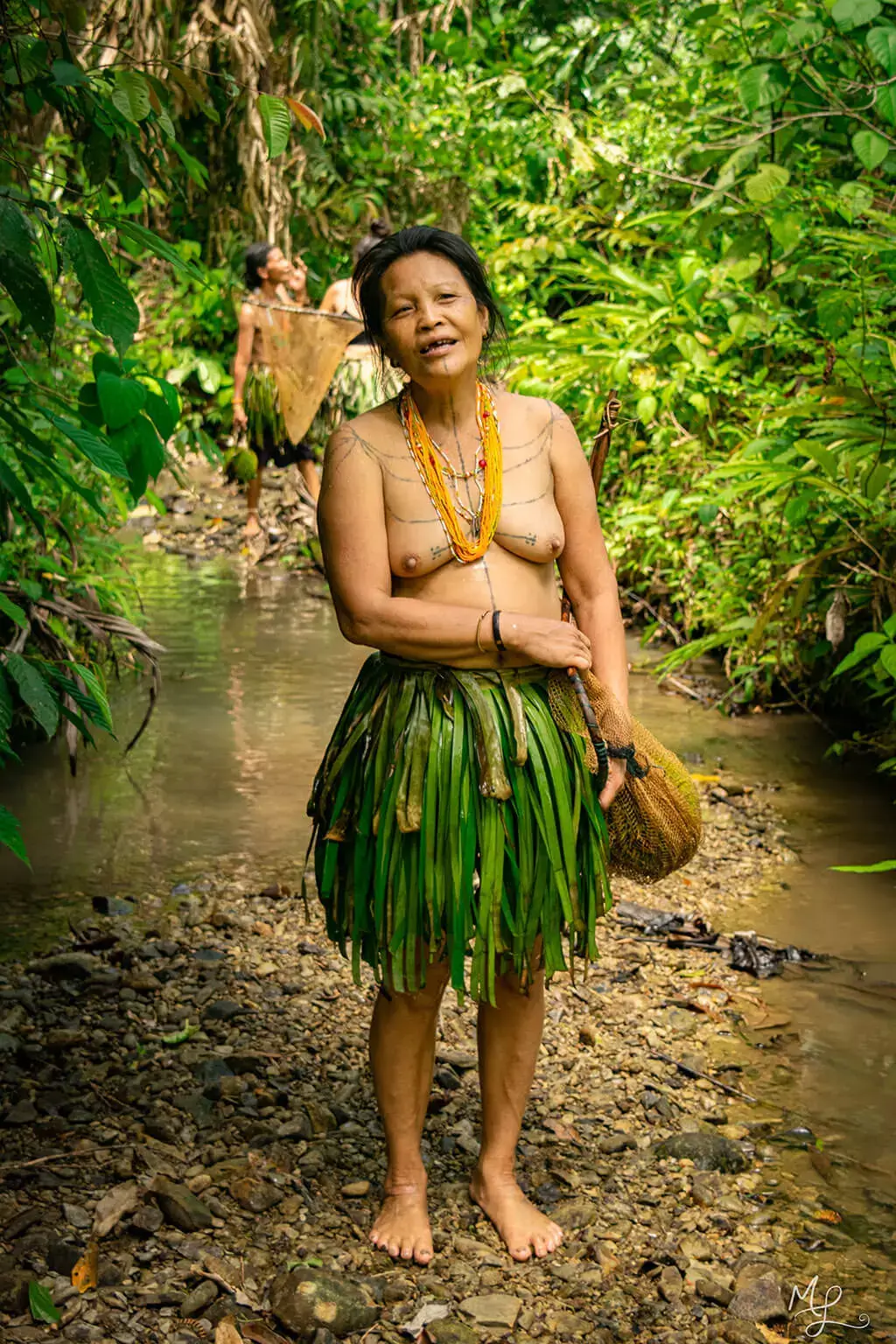
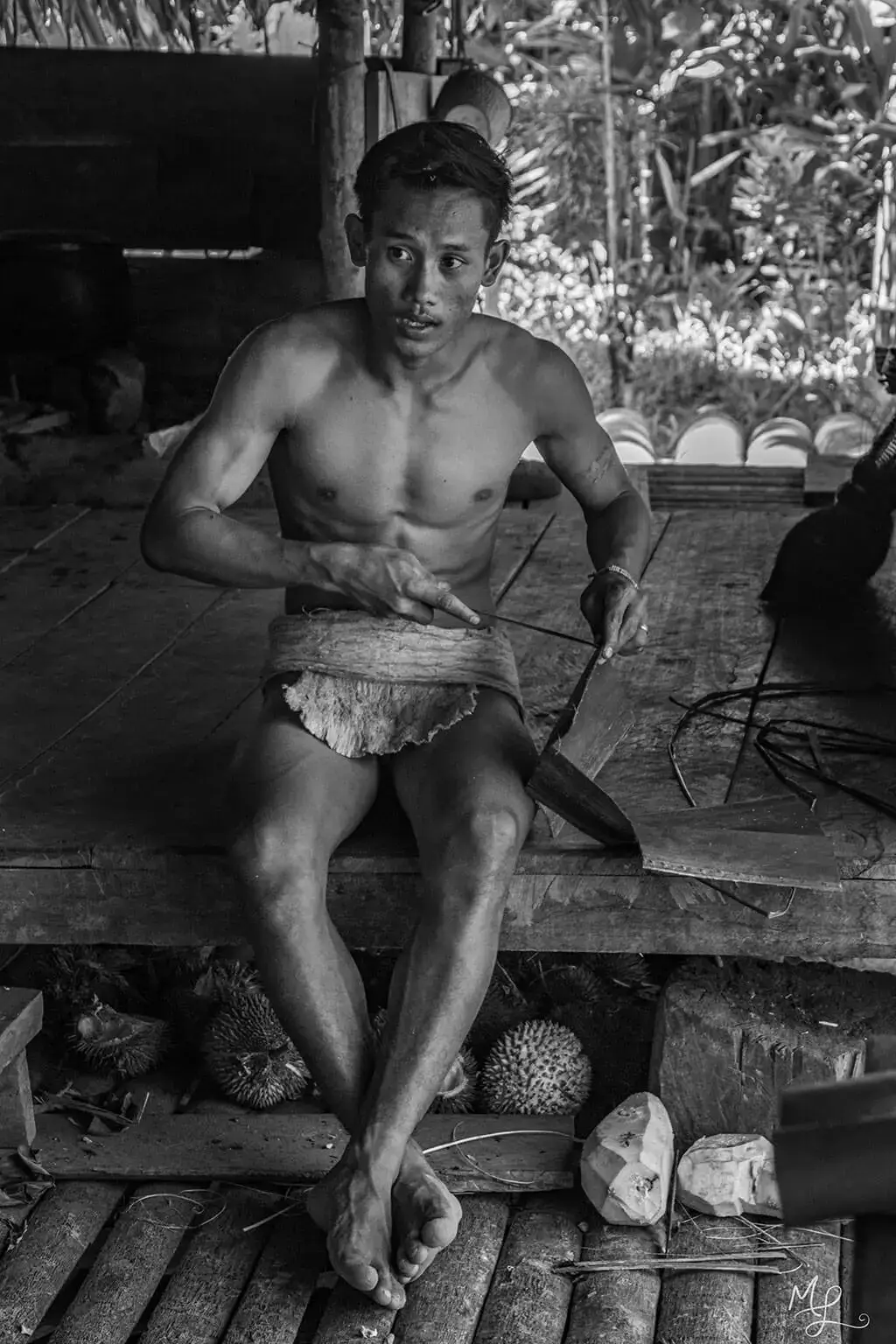
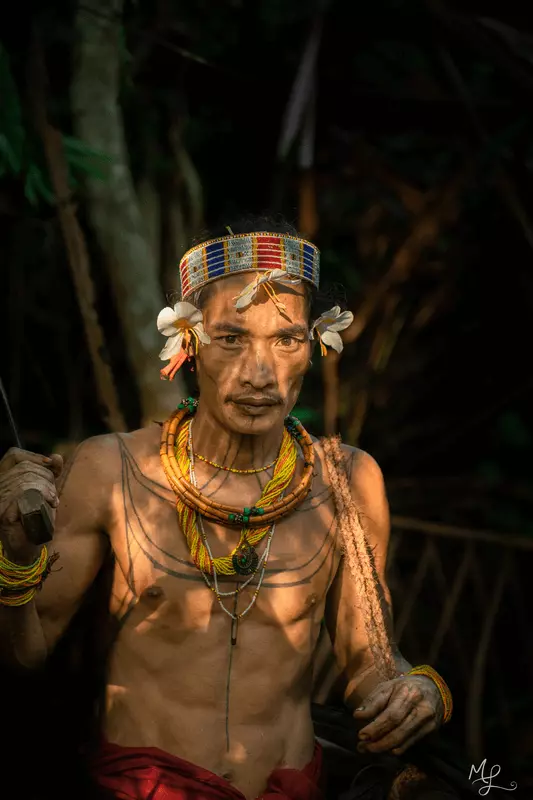
The Darién region has a bit of a wild reputation, but parts of it are accessible and safe to visit with a local guide. I stayed with an Emberá community, and it was one of the highlights of my trip.
It’s a great way to experience Indigenous culture respectfully, learn about traditional crafts and forest life, and see how people live deep in the jungle.
Always go with a trusted guide, and check local travel advice before heading that far east.

Safety, Culture & Responsible Travel
Panama is generally very safe for backpackers. Petty theft can happen in bigger cities, but violent crime is rare in tourist areas. Use common sense, don’t flash valuables, and you’ll be fine.
Always ask before taking photos of people, especially in Indigenous villages. The Emberá are welcoming, but they appreciate respect for their traditions.
And remember, the biggest dangers in Panama are probably the potholes and howler monkeys dropping fruit near the trails.

You may also be interested in: San Gerardo de Dota: The Hidden Gem You Should Add to Your Costa Rica Itinerary
Suggested Itineraries
One Week in Panama
Option 1 – Classic Highlights
Panama City (2 nights): Explore Casco Viejo, the Canal, and Metropolitan Park.
El Valle de Antón (2 nights): Hike India Dormida, visit waterfalls, and enjoy the cooler air.
Santa Catalina (2 nights): Surf, visit Coiba Island, and relax by the beach.
Panama City (1 night): Return for your flight or a final evening in Casco Viejo.
Option 2 – Caribbean and Mountains
Panama City (2 nights): Start with the Canal and the old quarter’s rooftop views.
Colón & San Lorenzo (2 night): Drive through the jungle to Castillo de San Lorenzo and spot wildlife along the way.
Portobelo (1 night): Colourful Caribbean town with fort ruins and seafood shacks by the bay.
El Valle de Antón (2 nights): Head into the mountains for hiking, hot springs, and markets.
Return to Panama City
This route gives you a nice mix of Caribbean culture, colonial history, and mountain air without spending too long on the road.
Two Weeks in Panama
Option 1 – Coast to Highlands
Panama City & Portobelo (2 nights): Explore both the capital and Caribbean coast.
El Valle de Antón (2 nights): Relaxed hiking and easy access from the city.
Ola (2 nights): Quiet mountain stopover and sunrise hike at Cerro Los Picachos.
Boquete (3 nights): Coffee farms and cloud forest trails.
Bocas del Toro (3 nights): Beach time and island-hopping.
Return to Panama City (2 nights).
Option 2 – Surf and Jungle
Panama City (2 nights): Start with the Canal and Casco Viejo.
Santa Catalina (2 nights): Surf or snorkel Coiba.
Boquete (3 nights): Cooler weather and highland hikes.
Colón & San Lorenzo (2 nights): Jungle drive and historic forts.
Ola (2 nights): Relax and recharge in the countryside.
Return to Panama City (1 night).
Four Weeks in Panama
Option 1 – Beaches & Islands
If your idea of Panama is hammocks, surfboards, and turquoise water, this one’s for you. It links both coasts and gives you time to slow down between beach towns and islands.
Panama City (2 nights): Start with Casco Viejo and the Canal before heading to the Caribbean.
San Blas Islands (3 nights): Boat trip through the Guna Yala archipelago. Simple cabins, white sand, and no Wi-Fi — exactly what you want here.
Portobelo (1 night): Colonial fort ruins and Afro-Caribbean food by the sea.
Santa Catalina (3 nights): Surfing and boat trips to Coiba Island for snorkelling or diving.
Tonosí (3 nights): Explore Playa Venao or Cañas Island — chilled beaches with far fewer people.
Boquete (4 nights): Trade the humidity for cool mountain air and coffee farms.
Bocas del Toro (5 nights): End your trip island-hopping, snorkelling, and enjoying Caribbean sunsets.
Panama City (2 nights): Return for souvenirs and a good meal before flying out.
This route keeps things coastal but still breaks up the beach time with mountain scenery and coffee.
Option 2 – Nature & Adventure
This version focuses on Panama’s wild side: jungles, waterfalls, volcanoes, and the kind of places where you’ll see more monkeys than people.
Panama City (2 nights): Casco Viejo and the Metropolitan Park are a gentle start.
Colón & San Lorenzo (2 nights): Jungle drive, old fort, and a ton of wildlife.
El Valle de Antón (2 nights): Easy hiking, waterfalls, and markets.
Ola (3 nights): Camp in the hills, hike Cerro Los Picachos for sunrise, and explore waterfalls like Chorros de Olá.
Santa Catalina (2 nights): Snorkel Coiba Island’s reefs or take a surf lesson.
Boquete (5 nights): Cloud-forest trails, quetzal spotting, and maybe the Volcán Barú sunrise hike.
Bocas del Toro (4 nights): Relaxed finish with jungle-backed beaches and plenty of snorkelling.
Darién (Emberá stay 2–3 nights): Go with a local guide, stay in a riverside community, and learn about traditional forest life.
Panama City (2 nights): Return for your flight and one last cold Balboa.
A good mix of challenge and chill — ideal if you like hiking boots and camera lenses.
Option 3 – Culture & Local Life
If you prefer real connections, small towns, and a glimpse of everyday Panama, this route leans into history, Indigenous heritage, and slower travel.
Panama City (3 nights): Walk Casco Viejo’s colonial streets, visit the Canal Museum, and explore local markets.
Portobelo (2 nights): Learn about its Afro-Caribbean roots and the Black Christ tradition.
Colón & San Lorenzo (1 night): Spanish fortifications and dense rainforest in one stop.
El Valle de Antón (3 nights): Meet local artisans, visit the Sunday market, and hike India Dormida.
Ola (3 nights): Camp in someone’s garden, talk with locals, and enjoy mountain views without crowds.
Santa Catalina (2 nights): Simple beach town life and fresh seafood dinners.
Boquete (4 nights): Coffee tours and the friendliest small-town vibe in Panama.
Tonosí (3 nights): Visit rural fishing villages and lesser-known beaches on the Azuero Peninsula.
Darién (Emberá stay 3 nights): Stay with a community to learn about their traditions, crafts, and connection to the forest.
Panama City (3 nights): Wrap up with one last walk through Casco Viejo and a good local meal.
This one is slower and more people-focused, perfect if you like meaningful moments over rushing through landmarks.
Each route can be adjusted depending on how you travel. You can swap Boquete for more beach time, skip cities if you prefer nature, or extend stays where you feel at home. Panama’s small size makes it easy to change plans as you go.

What to Pack
Lightweight clothes
A rain jacket
Hiking shoes or trail trainers
Power bank
Headtorch (you’ll need it for sunrise hikes)
Swimsuit, flip-flops, and sunscreen
Mosquito repellent
Reusable water bottle
Camping gear if you plan to camp in Ola or Santa Catalina
If you’re backpacking, less is more. Laundry is cheap, and you’ll appreciate having a smaller pack on buses and boats.

Final Thoughts
Panama ended up being one of my favourite countries in Central America. It’s diverse, easy to explore, and still feels authentic. Whether you’re hiking volcanoes, swimming under waterfalls, camping in someone’s backyard, or exploring jungle forts, it’s a country that surprises you in the best ways.
If you like adventure, nature, and friendly locals, Panama deserves a spot high on your travel list.
You may also be interested in: How to Take Better Travel Photos with These 8 Simple Tips
Your support through ads keeps our content free — we appreciate it!
Some pictures sourced from Canva
Table of Contents
You may also be interested in: Budget-Friendly Wildlife Adventure: Exploring Refugio Nacional Gandoca-Manzanillo & Palo Verde
You might also be interested in:
You might also be interested in:

Hey there, ¡Bienvenido!
Thank you so much for being here.

I’m Matthew Lock
An internationally exhibited and published photographer.
Follow me in Social Media!
Your feedback means a lot!
Leave a Review


If you’d like to show a little extra support, you can also

Get In Touch
When you purchase through certain links on my site, I may receive a small commission —at no extra cost to you— which helps keep my work going strong.
Explore More Categories
Where I have been:
Currently in: Australia